
A Touch That Changed Everything — A Journey Through Magdala
Nestled on the quiet shores of the Sea of Galilee, the ancient town of Magdala once bustled with the sounds of fishermen mending their nets, merchants selling salted fish, and families going about their daily lives. But hidden beneath the everyday noise of this small Galilean town was a divine whisper—one that would echo through the centuries.
Magdala. The name means “tower.” And true to its name, this place would rise as a tower of healing, transformation, and testimony, especially for those broken and longing to be whole.
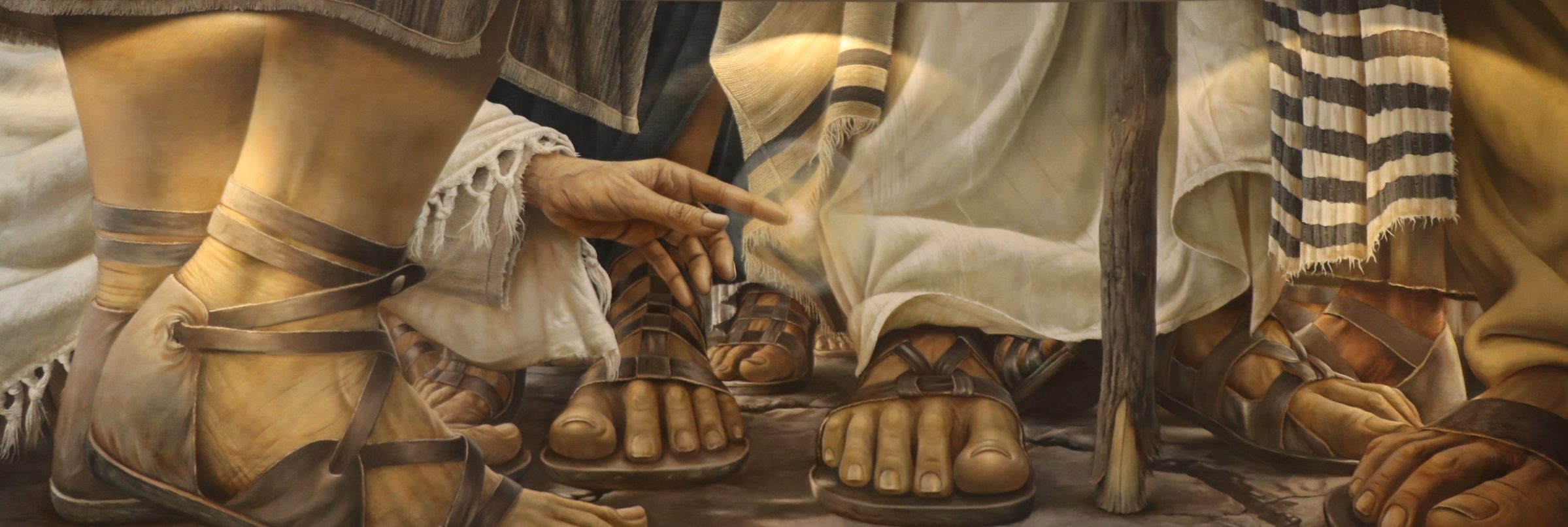
It was here, or perhaps somewhere nearby on the dusty roads of Galilee, that a desperate woman pushed through the crowd. She had no name in the story. No introduction. Just a condition: twelve years of bleeding. Twelve years of shame, rejection, and hopeless searching. The law said she was unclean. Society treated her as invisible. But her heart still believed.
She had heard about a man, Yeshua. A healer. A teacher. Some said He might even be the Messiah.
And so, with trembling hands and a courage forged in long-suffering, she reached for the fringe of His cloak—just a touch. That’s all she needed. The hem. The tzitzit. That thread of hope was tied to promises of old. And in that moment…
“Immediately, her bleeding stopped.”
(Luke 8:44)
But Jesus didn’t let her healing stay anonymous.
“Who touched me?” He asked. The crowd froze. And the woman, realising she could no longer remain hidden, stepped forward—fearful, exposed.
Yet instead of rebuke, she received restoration.
“Daughter, your faith has healed you. Go in peace.”
(Luke 8:48)
Daughter. Not outcast. Not shameful. Not forgotten. Daughter.
The Tower that Became a Beacon
Centuries later, archaeologists unearthed the ruins of Magdala—a synagogue from the time of Jesus, mikva’ot (ritual baths), homes, streets, and a bustling marketplace. And in the heart of it all, a stone carved with a menorah—evidence of deep Jewish devotion and perhaps even a synagogue where Jesus once taught.
And they remembered another woman—Mary Magdalene, the one whom Jesus freed from seven demons. She, too, had a story of healing. A transformation so complete that she would later be the first to witness the empty tomb, the first to proclaim resurrection, and one of Jesus’ most devoted followers.
From Magdala, two women rise from the pages of Scripture: one healed in secret, one delivered in full view. Both were restored. Both called to something greater. And both remind us of the power that flows when faith meets Jesus.
From Brokenness to Belonging
Today, when you step into the modern Magdala site, you don’t just walk through ruins—you walk through a sanctuary of stories. The Encounter Chapel, built on the original first-century street, calls visitors to kneel where that woman may have knelt, to reach for the hem, to bring their own brokenness and let faith lead the way.
Nearby, the Women’s Atrium stands tall, its pillars named after women of the Bible—Mary Magdalene, Susanna, Joanna, the bleeding woman. They’re not just names. They’re testimonies of hope. Proof that Jesus saw women, called them, healed them, and sent them out.
And What About Us?
How many of us are walking our own dusty roads, hoping for healing? How many of us are waiting, reaching, trying to believe that even the hem of His garment could be enough?
Magdala teaches us that Jesus still stops in the crowd. He still turns to us. He still calls us “Daughter” or “Son.” And He still heals—not just the body, but the heart, the identity, the soul.
So today, whether you’re like the bleeding woman—tired, unnamed, unseen—or like Mary Magdalene—redeemed and ready to testify—Magdala is a reminder: Your story matters. Your faith is seen. And your healing is near.